(2005–2012)
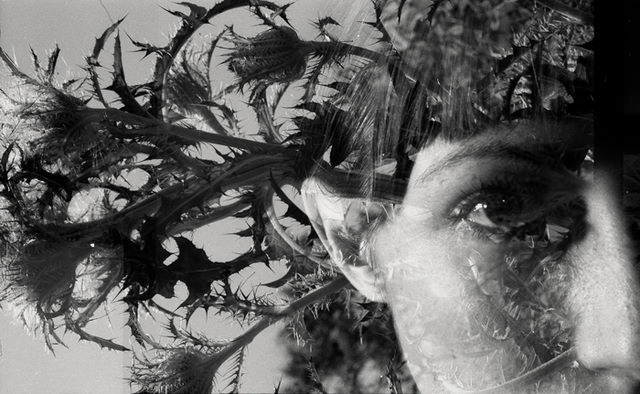
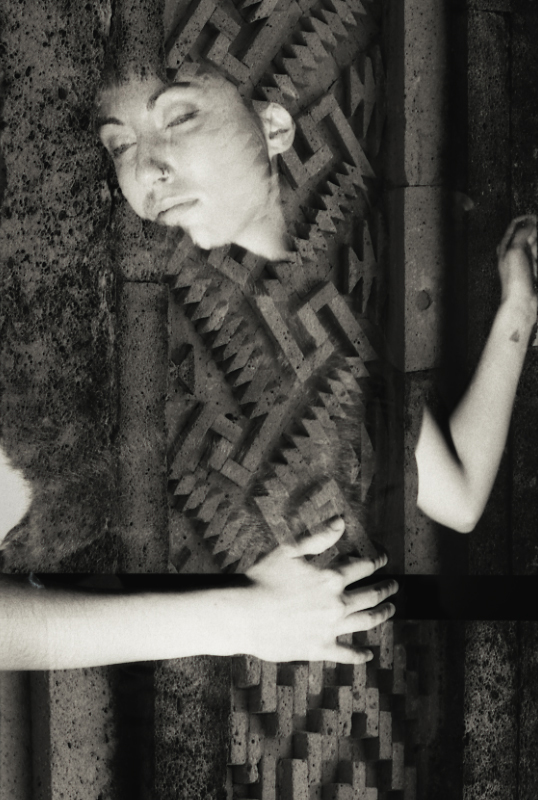
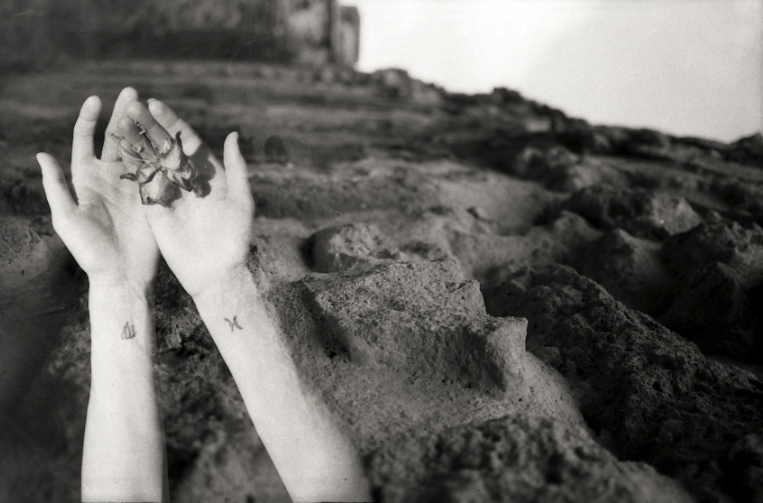
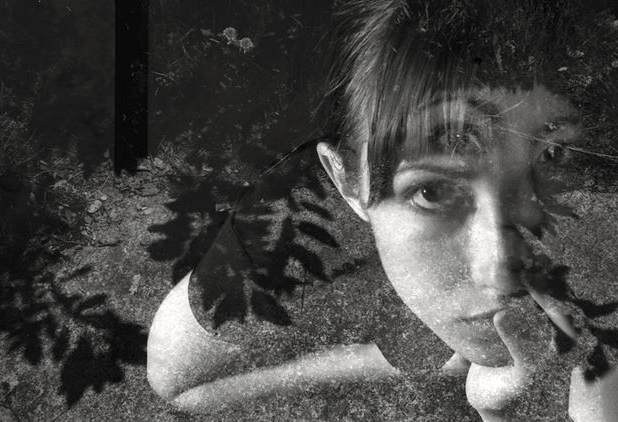
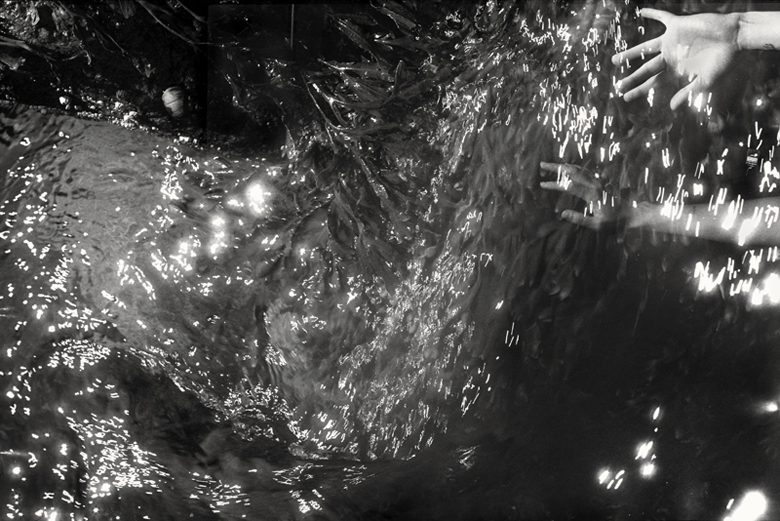
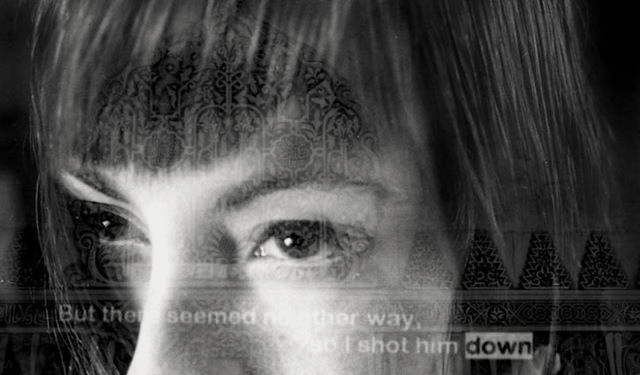
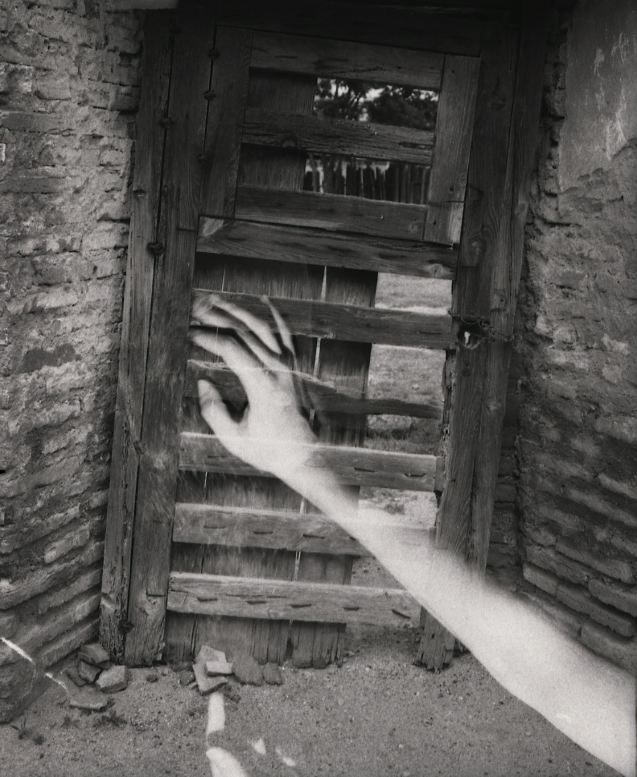
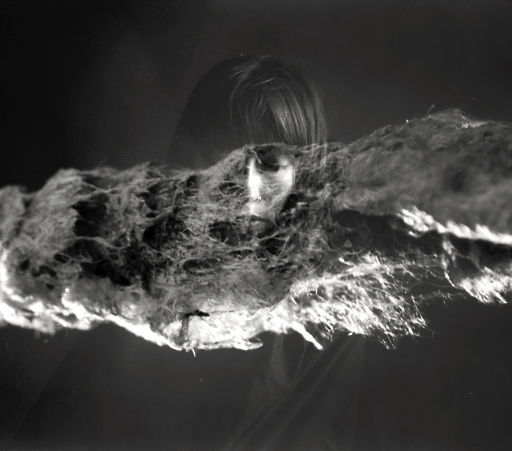
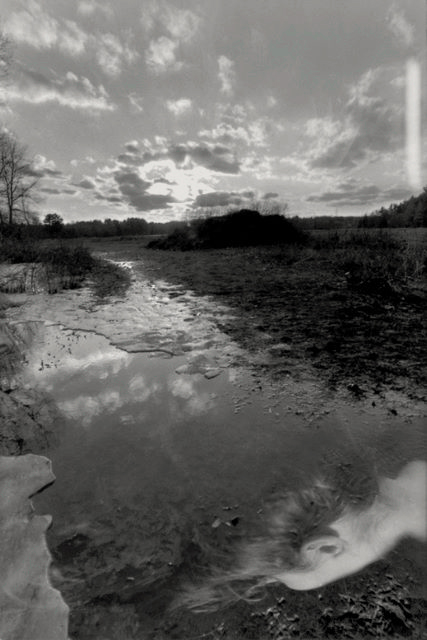
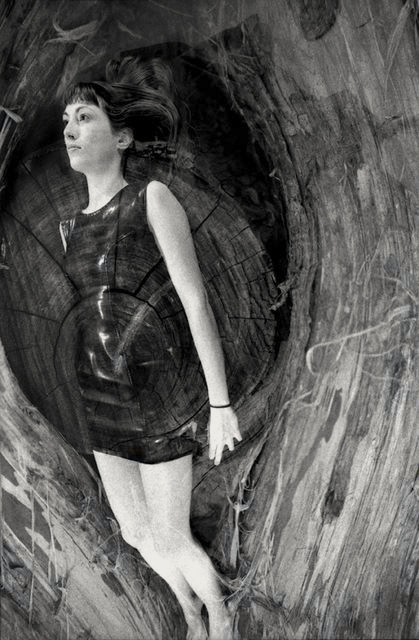
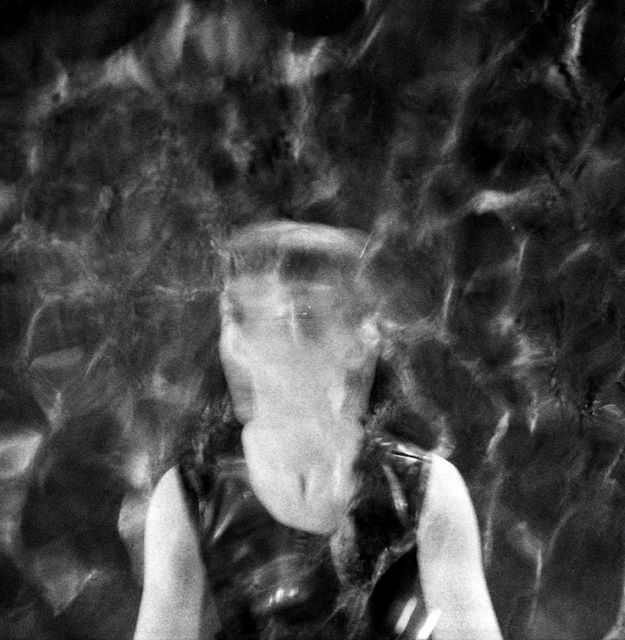
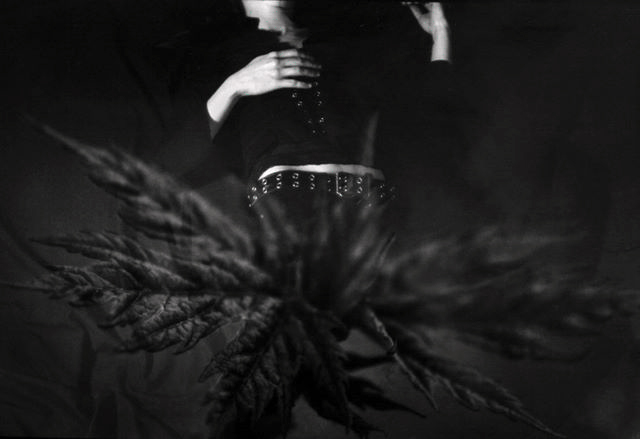
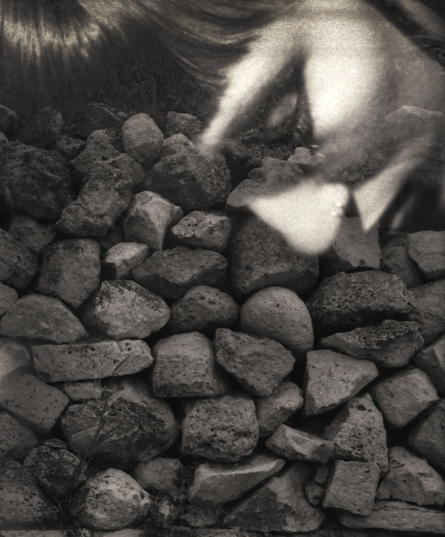
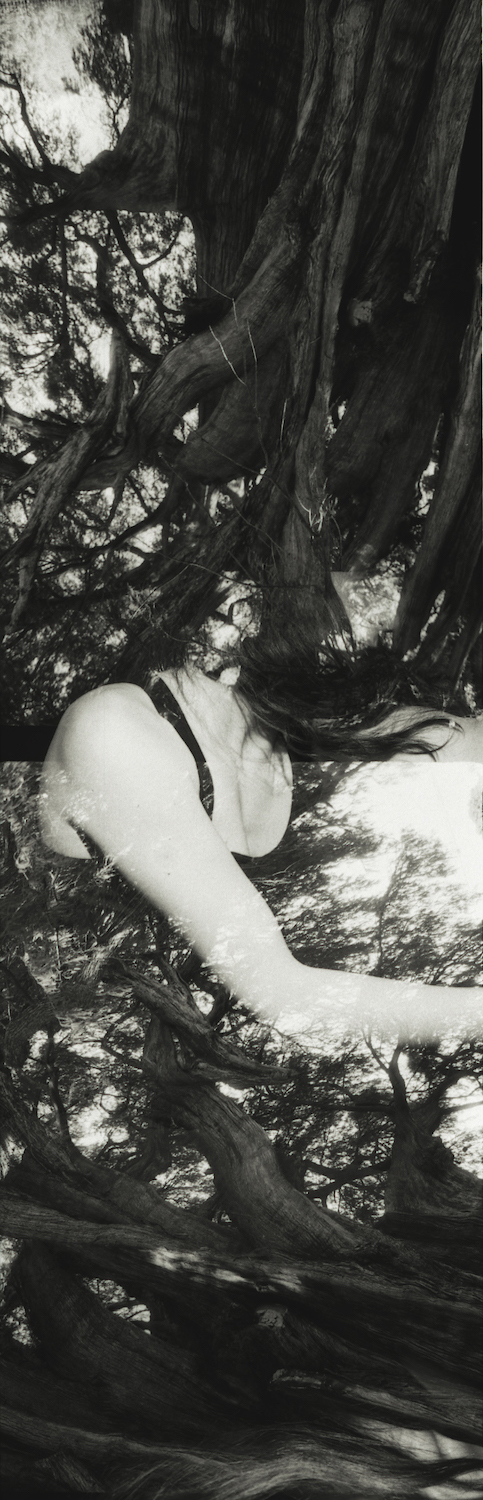
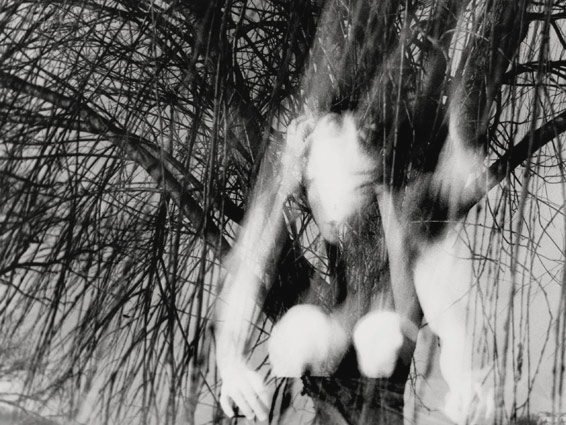
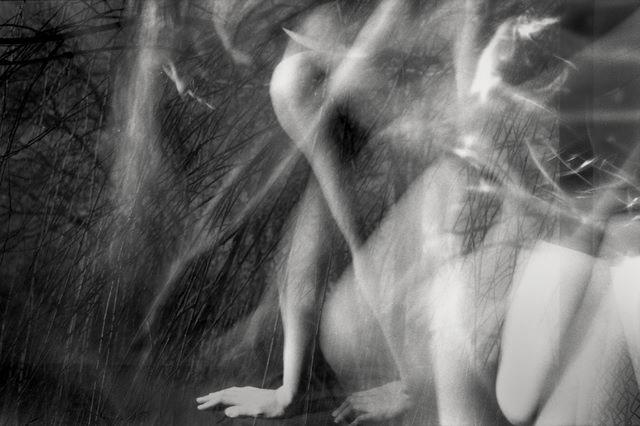
In-camera multiple exposures on 35mm film. After exposing a single image onto each frame, I roll the film back into the canister, reload it into the camera, and expose a new round of images over the same film.

Chance, experimentation, and play are my guides. I don’t track the individual images I’ve taken, or try to plan ahead for harmonious compositions. The results are unpredictable but sometimes appear eerily purposeful.

My role is both creator and spectator, scientist and subject, magician and archaeologist. I will the images into existence, then search them for treasure. To me they illustrate the chaos of life—The many seemingly unrelated experiences we encounter on our journeys through life, which layer one on top of the other in our memory, to create the rich tapestry that we call our “self.”

This project was made between 2005 and 2012, when much of mainstream contemporary art emphasized personal expression, social identity, and the artist’s individual voice. I wanted to move in a different direction. Rather than starting with a message or image to communicate, I set up a series of conditions and let the process itself determine what emerged.

I was interested in the idea that meaning doesn’t always have to be imposed. Sometimes it emerges on its own, through repetition, variation, and chance—much like patterns in nature.
Working this way meant stepping back from the notion that humans are the primary authors of meaning, and letting the process unfold according to its own internal logic. The results exist independently of interpretation, with human attention as one possible encounter rather than the center of the system.

At the time, using rules and systems to generate form—what is now often called generative art—was mostly practiced within experimental, academic, and digital art circles. Many people now associate generative work with computers and code, but the underlying idea is older: set conditions, then let results emerge without directing them by hand. This approach has roots in art experiments from the 1960s and 70s, when some artists treated rules, instructions, and systems as the artwork itself.

Working this way shifted my role from author to participant. The only control I exercised was over the parameters; what happened within them was not something I could predict. Instead of deciding what the work should be, I observed and responded to what emerged.
Many images from each roll remain unseen, simply existing as part of the process. The images I chose to share here drew my attention, but a different viewer might have selected entirely different images. In that sense, each encounter with the initial images creates its own form of meaning, shaped by the experiences and perspective of the person engaging with it. The project exists both as an independent system and as something that invites personal reflection.